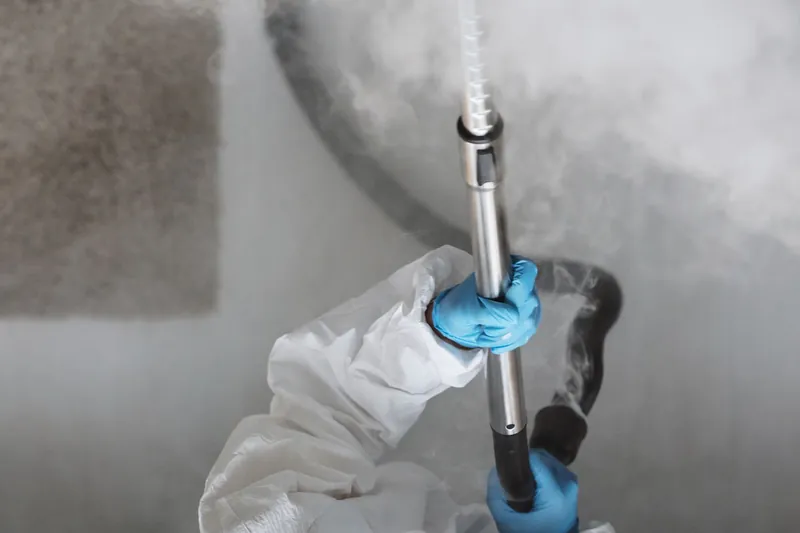
Infectious Disease Disinfection
EPA-registered products are applied across all surfaces during infectious disease disinfection.
See infectious disease disinfectionGet high-touch surfaces cleaned and disinfected in a home, office, rental or shared space in Troy after illness or possible exposure. EPA-registered products are used according to their labels.
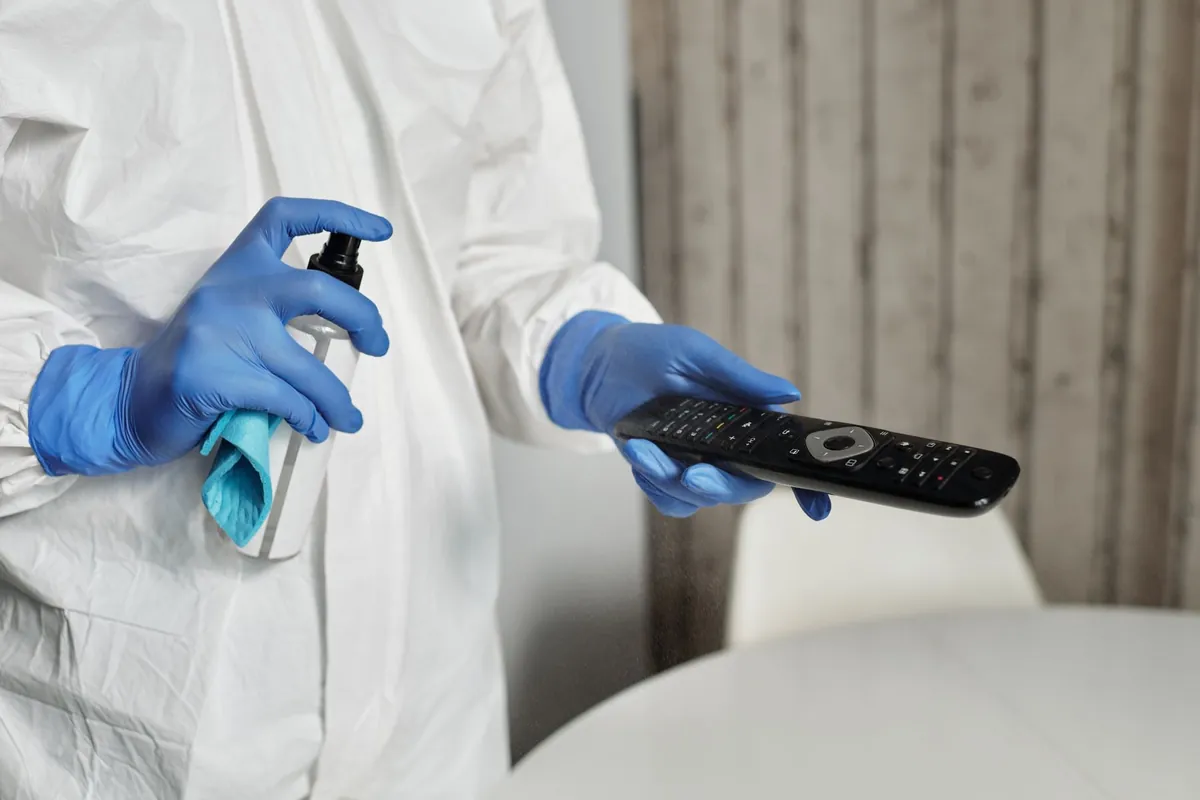
After illness or possible exposure, COVID-19 and virus disinfection focuses on affected spaces and surfaces touched frequently. The service removes soil, then uses an EPA-registered disinfectant according to its label and observes the complete contact time.
Homes, schools, offices, restaurants, rentals, care settings and similar shared properties can be included. Technicians locate frequent touch points, including counters, desks, light switches, door knobs, restroom fixtures and communal equipment. Surfaces close to those points are considered as well when people could touch them while walking through the building.
Other names for this work include infectious disease cleanup, coronavirus cleaning, biohazard remediation, COVID-19 decontamination and biohazard decontamination. Unlike regular janitorial work, cleanup crews use protective equipment, a written scope and directions for each product so the steps are verifiable. This remediation does not take the place of ventilation, fresh air, washing your hands or remaining home while sick.
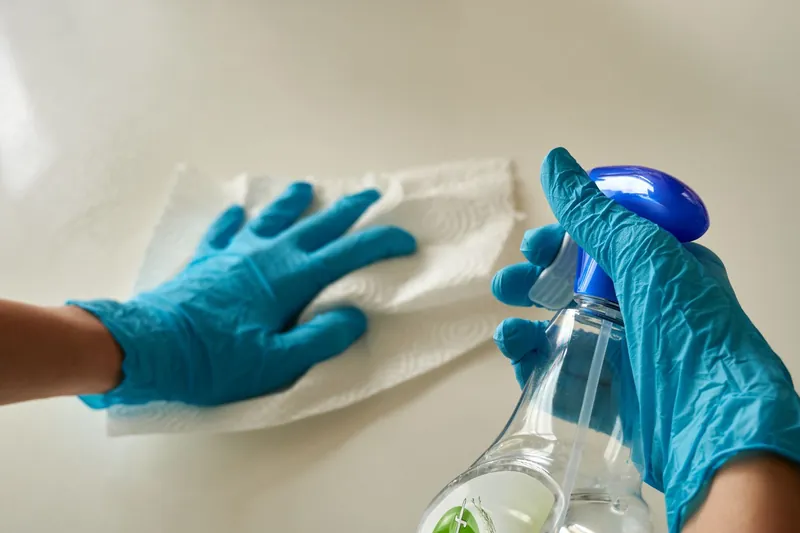
When you or your loved ones need privacy, technicians can arrive in unmarked vehicles, wear protective gear and respect personal property.
The disinfectant name and label contact time are recorded so you know what was used on the property and can move forward with reopening plans.
Before work begins, you can verify every room, surface and sensitive material included in the cleaning service. Use a clear scope to compare the tasks listed.
The scope can fit restaurants, offices, residences, rentals and other shared environments without treating every situation identically.
When illness, possible exposure or heavy use by many people creates concern, you may need cleaning that is documented one room at a time. COVID-19 disinfection is especially useful in these common situations:
Gyms, retailers and businesses serving the public may require targeted cleaning for equipment, counters and other high-touch areas.
After illness is reported or before another approved use, property owners may schedule cleaning for hotels, apartments or short-term rentals.
Shared equipment, workstations, meeting spaces, bathrooms and break rooms can be treated ahead of a return to normal use.
Compatible surfaces in restrooms, dining spaces, service counters and back-of-house areas may be included while food and food-contact items are treated correctly.
Limit access to the property area first, then gather clear facts about the rooms affected. Before the cleanup team enters, follow these steps:
Call (888) 440-9227COVID-19 disinfection has no published price of its own. The nearest comparisons are virus decontamination at $1,500 to $3,500 for each job and larger infectious disease work at $2,000 to $8,000 while one guide reaches $10,000 at the high end. Use them as context only. The size of the space, the surfaces and any air-system work set the real cost.
These ranges come from published national cost guides, not from a site visit. You learn what your property will cost after the on-site assessment and before any work begins.
Ask about cost: (888) 440-9227Coverage varies by policy and the reason for the work. Do not assume that homeowners, renters or business insurance will pay for preventive coronavirus cleaning. Ask the insurance company before work begins when time allows.
Business owners need to check required records, communicable disease terms, deductibles and exclusions with the insurance company before depending on coverage.
Save your invoice, photos, product list and cleaning scope. These records support insurance assistance and help insurance companies check what work was requested and completed.
An insurance company may consider routine disinfection maintenance instead of a loss covered by the policy. Find out if a documented illness receives different treatment from another event under your policy.
The responsible party may depend on lease terms, local requirements and where the affected area falls within the rental or shared property.
Coronavirus biohazard decontamination uses an ordered, controlled process. It starts with an assessment, then moves through cleaning and disinfection before the last check. Throughout the work, the product label determines the steps and the proper treatment for every surface.
Before beginning, technicians examine high-touch spots, sensitive materials, room use and occupancy history with you.
Technicians close or mark the work area when necessary and choose eye protection, gloves and other protective equipment suited to the setting and products.
Cleaning begins with removal of dust and visible soil, which could otherwise block disinfectant from contacting a surface evenly.
Label directions determine the coverage and concentration when compatible surfaces are treated with an EPA-registered disinfectant.
Instead of an immediate wipe after spraying, the treated material stays wet throughout the contact time on the label.
Instead of soaking them in a general spray, technicians treat shared electronics, soft materials and unfinished wood with item-specific methods.
A room-by-room checklist check gives extra attention to shared equipment, fixtures, door pulls and switches.
You receive the completed scope and product information, plus instructions about drying, ventilation and when the treated area can be used.
Phone any hour. You speak with a COVID-19 and virus disinfection specialist who outlines the process and schedules a start time with you.
During disinfection, the main concerns are incomplete coverage, chemical mistakes and possible illness exposure. Planning the work carefully helps prevent avoidable contact and serious health risks, without suggesting that cleaning a surface takes away all routes through which illness can spread.
A disinfectant needs to remain visibly wet for the time stated on its label. The product might not work as intended if you wipe it dry prematurely.
Frequently missed spots include remotes, shared tools, door plates and faucet controls. Follow a room-specific checklist to cover the affected area completely.
More chemical is not always safer. The wrong product, poor ventilation or mixed cleaners can irritate people and damage wood, fabric, electronics or finished surfaces.
Can you clean it yourself? If nobody is currently sick and there is no special exposure concern for the property, routine cleaning might be adequate. For sensitive materials, known illness, large common areas or workplaces requiring a documented scope, professional cleanup can help you address vital touch points while following product labels.
A focused residential visit may take several hours, while a large office or multi-room commercial site can require a longer visit or work in stages. The room count, amount of furniture, surface compatibility and required contact times set the schedule.
| Scene | Typical time on site |
|---|---|
| Focused home area | Commonly finished in a single scheduled visit |
| A small workplace or multiple rooms | May require a half day or longer |
| Large or occupied commercial property | Often planned in stages around access |
COVID-19 and other viruses do not create a room odor that proves whether a space is clean. Fragrance, deodorizer and fog alone are not substitutes for cleaning soil, covering high-touch surfaces and observing disinfectant contact time.
Surface disinfection and plans for odor or air quality are separate matters. After treatment, ventilation may clear fumes from products. Building staff may also examine filtration settings and outdoor air for the property. A different cleanup or restoration service could be needed when sewage backup, mold, water damage or another source is causing odor. Adding disinfectant will not correct that condition.
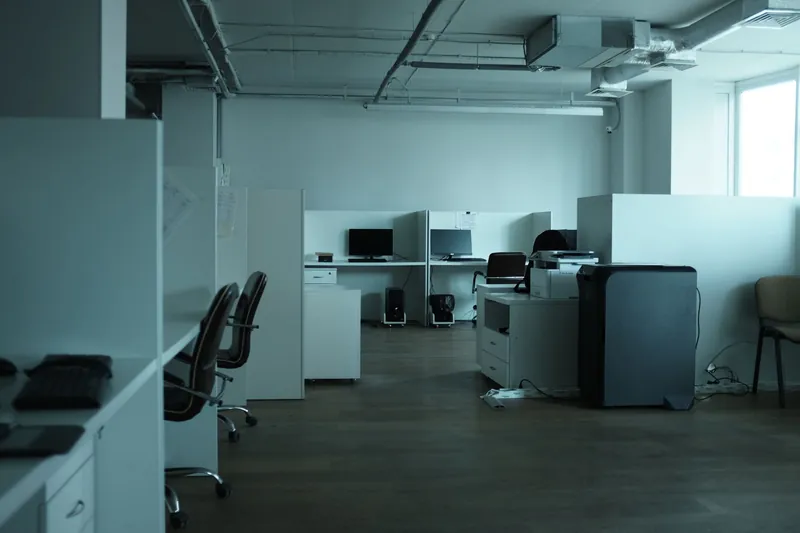
Use a surface-compatible, EPA-registered disinfectant for the target virus and obey its label on application, full contact time and dilution.
The product label controls where the disinfectant can be used, how much ventilation is needed and which protective equipment applies.
Federal OSHA Bloodborne Pathogens Standard 29 CFR 1910.1030 governs worker handling and protection if blood or infectious materials that may carry disease are also present.
Michigan treats these materials as potentially infectious medical waste. The Department of Environment, Great Lakes, and Energy enforces rules on handling, storage, treatment and disposal, so it cannot go in household trash.
The full COVID-19 and virus disinfection guide covers what is cleaned or removed, odor and air quality work, and the rules that apply in Oakland County.
Read the full COVID-19 and virus disinfection guide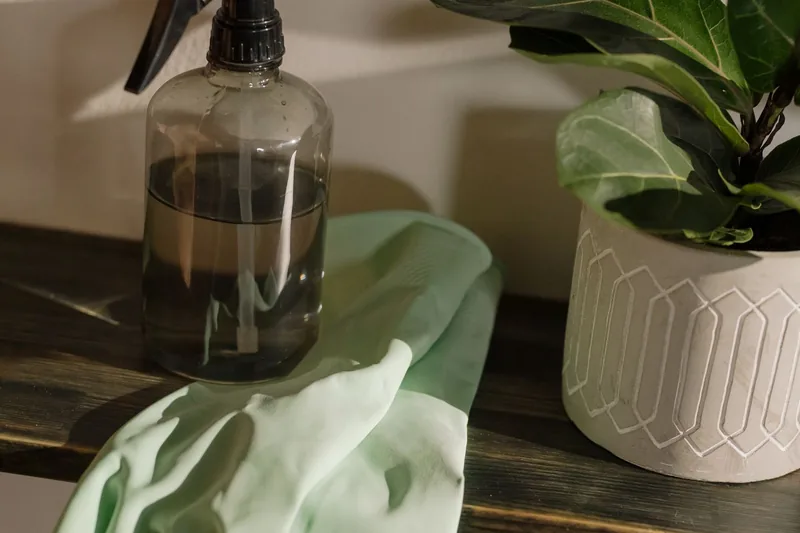
Local housing, population and access details can shape containment, access and cleanup planning.
Because renter occupancy is 26.7%, cleanup discussions often can focus on the household without a separate property manager involved.
Homes with a median construction year of 1977 may contain layered renovations that hide affected materials beneath newer finishes.
With 25.1% of seniors living alone, private cleanup communication may need to include a relative who lives somewhere else.
Single-family homes make up 76.6% of housing in Troy, so cleanup often centers on one household and its private living areas.
Ask on the call about cleanup options for neighboring communities and ZIP codes.
EPA-registered products are applied across all surfaces during infectious disease disinfection.
See infectious disease disinfection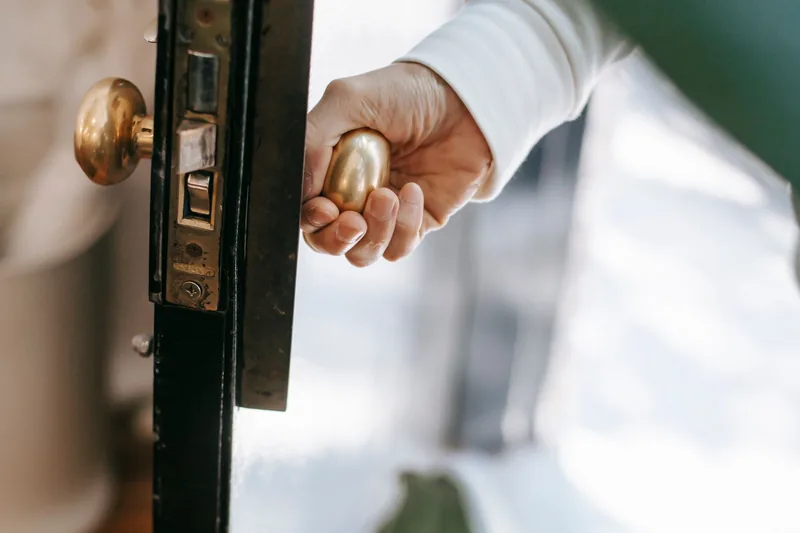
Homes, care environments and gyms receive cleanup for MRSA, C. diff and norovirus.
See MRSA, C. diff and norovirus cleanup
Site access and operating needs guide planning for commercial and industrial biohazard cleanup.
See commercial and industrial biohazard cleanup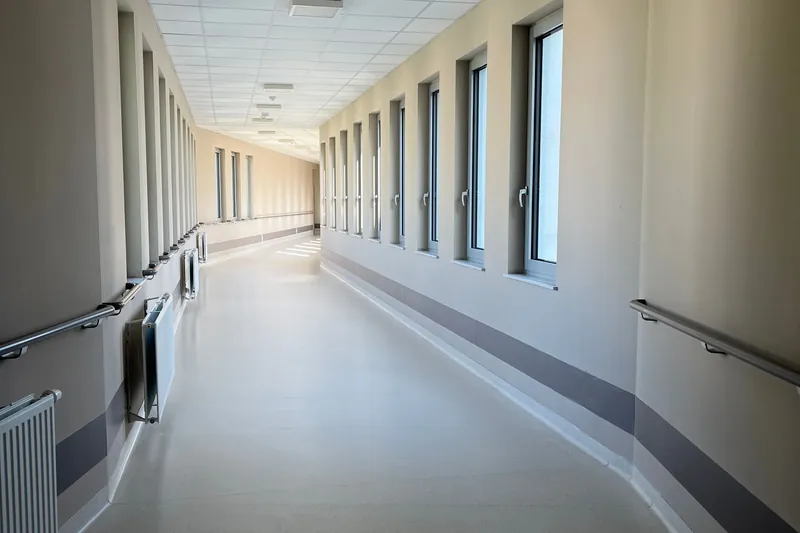
Biohazard cleanup for clinics, care homes and healthcare facilities.
See hospital and healthcare biohazard cleanup
Workplace biohazard cleanup addresses offices after injuries or exposure incidents.
See office and workplace biohazard cleanup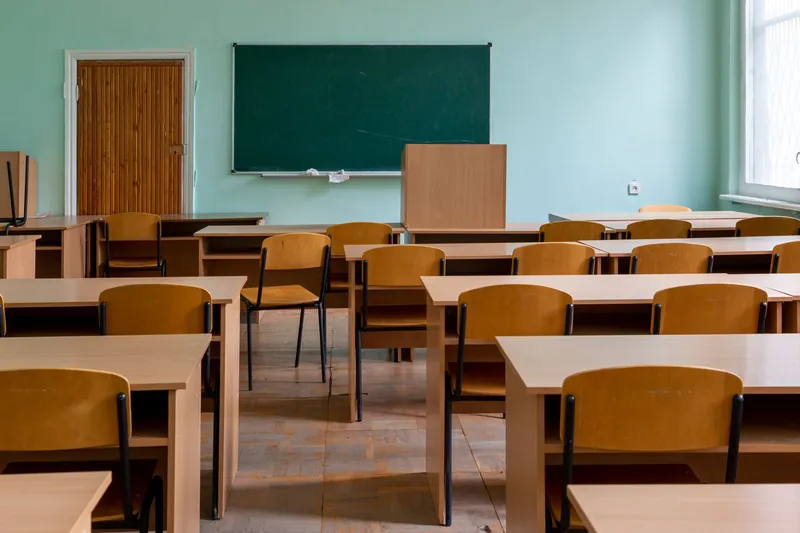
Outside teaching hours, biohazard cleanup treats daycare and school facilities.
See school and daycare biohazard cleanup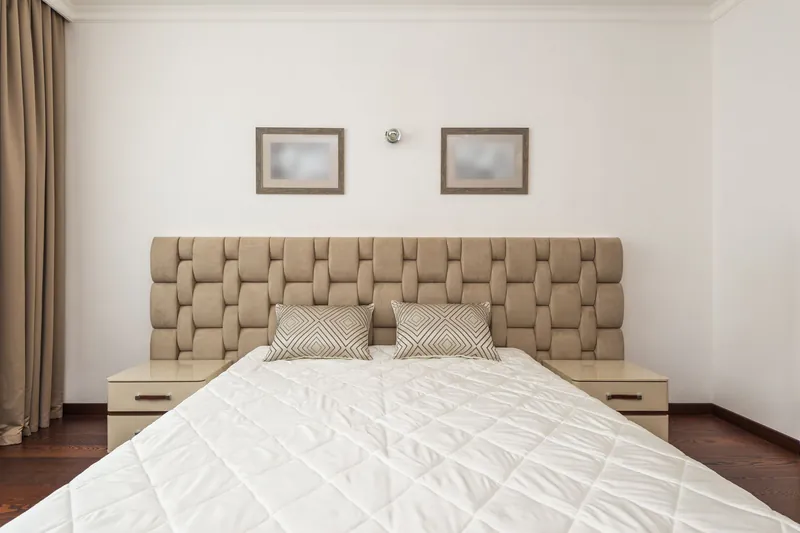
Biohazard cleanup addresses Airbnb accommodations, hotels and other rental units.
See hotel, Airbnb and rental biohazard cleanup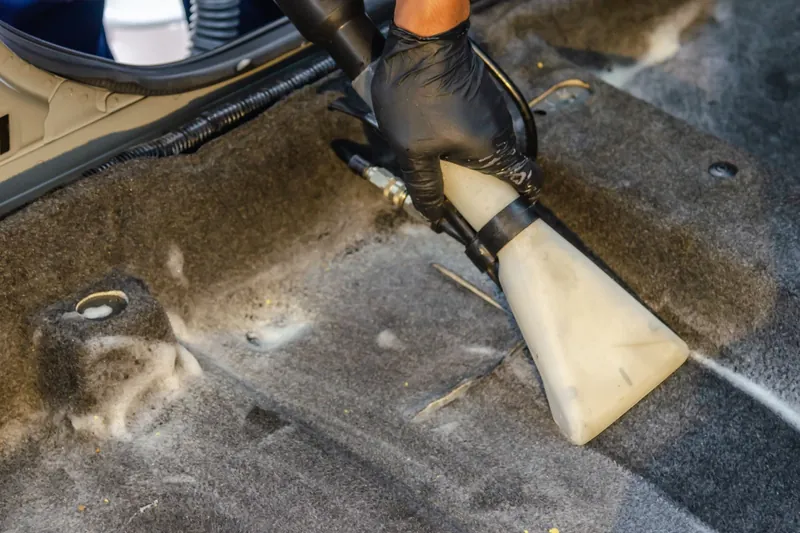
Carpet and upholstered items receive biohazard cleaning or are removed safely if necessary.
See biohazard carpet and upholstery cleaningViruses can be biological hazards because they can cause disease. The level of risk depends on the virus, route of exposure, setting and task. Your plan for disinfection needs to fit the real hazard. Access restrictions, protective equipment, cleaning and a suitable disinfectant each play a part, though none can replace all the others.
First address areas occupied by the sick person and their touch points. Restrict access by other people, remove visible soil and follow product labeling to disinfect compatible hard surfaces. Use each suitable fabric's care guidance for washing. A visit from professionals may help when a shared area is large, materials are sensitive or a documented scope is needed for each room.
A targeted residential area might be completed during a single visit. A school, large office or commercial facility could require more time or cleaning in separate stages. Timing depends on room count, furnishings, sensitive surfaces, product contact times and access. Request a scope identifying every included area along with any instructions for reentry.
Read the disinfectant label and furniture care instructions after checking if the wooden surface is sealed. After a spot test, you may apply a compatible product to sealed wood. Because soaking may cause stains, swelling or finish damage, keep unfinished and delicate wood from becoming saturated. Select a method suitable for the material if the product label does not allow its use there.
You should not assume automatic coverage. Routine or preventive disinfection may count as maintenance under many policies, and treatment of another event depends on the policy. Explain the reason for the work when calling your insurance company, then ask about the deductible, exclusions and records you must submit. Keep the scope, product list, photos and invoice for the claim check.
When water and soap are unavailable, an alcohol-based hand sanitizer can lower the amount of germs on your hands. With a product of at least 60 percent alcohol, cover every surface of your hands and rub until dry. Use hand sanitizer only on hands, never to disinfect furniture, rooms or electronic devices. Use soap and water to wash hands with visible dirt.
Discreet, respectful COVID-19 and virus disinfection, 24 hours a day, with crews in unmarked vehicles.